

Source: Renovabis
Social cohesion in Europe is under immense pressure. Polarisation, a loss of trust in institutions, digital bubbles and the consequences of the war against Ukraine have weakened social bonds. These developments have far-reaching consequences: loneliness is becoming a mass phenomenon, mental health issues are on the rise, and the emphasis on individual uniqueness reinforces tendencies that make cooperation more difficult. The lower the level of cohesion, the higher the cost of cooperation. This affects Central, Eastern and Western Europe alike, though driven by partly different factors. Europe may already have crossed a tipping point – each new crisis is increasingly difficult to manage. Churches have enormous potential to bring people together, foster trust and put solidarity into practice. However, they themselves are affected by divisions and are confronted with forces that have a polarising effect. At the congress, we addressed how these developments can be countered, what avenues for action are available, and how our societies can grow closer together again.
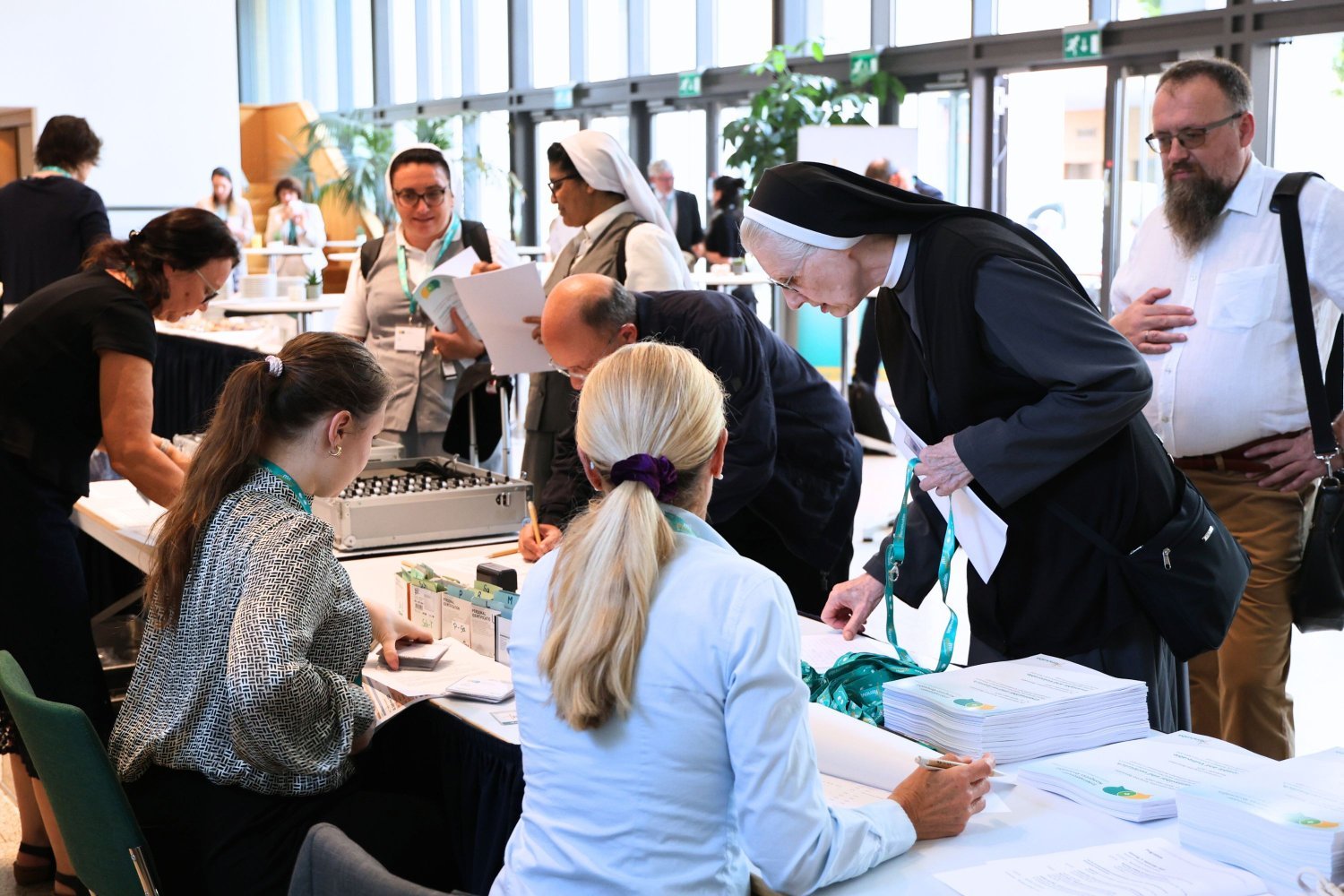
These topics were the focus of the 30th International Congress Renovabis. Under the title “Beyond Polarisation – Perspectives for Social Cohesion in East and West”, from 16 to 18 September 2026, a distinguished panel of speakers – including Cardinal Dr Mario Grech, Dr Volker Ullrich, Dr Regina Arant, Hugo Gloss, Anahit Mkhoyan, Bettina Locklair, Dr Sanda Smoljo-Dobrovoljski, Dr Toms Rostoks, Ana Raffai, Dr Christopher Koska, Dr Shkelzen Marku and Zbigniew Nosowski – invited the participants to listen to lectures and participate in panel discussions and in-depth dialogue groups.
Renovabis has been organising an annual international congress on behalf of the German Bishops' Conference since 1997. This event with participants from all parts of Europe serves to inform about and discuss important developments in church and society in Central, Eastern and South-Eastern Europe, and also addresses topics of pan-European importance. Over the years, the International Congress Renovabis has developed into an important forum for dialogue between people from the eastern and western parts of Europe.